Biochemists and biophysicists

2025-08-01T19:43:31-06:00

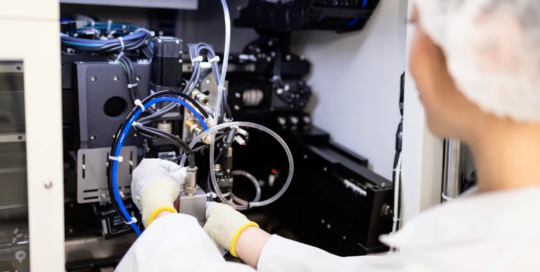
Study the chemical composition or physical principles of living cells and organisms, their electrical and mechanical energy, and related phenomena. They conduct research on the combinations and reactions involved in metabolism, reproduction, growth, and heredity. They determine the effects of foods, drugs, serums, hormones, and other substances on living organisms.
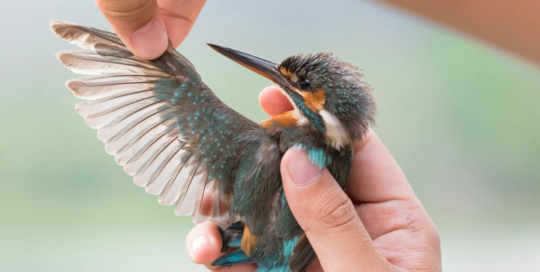
Biologists

2025-08-01T20:00:20-06:00

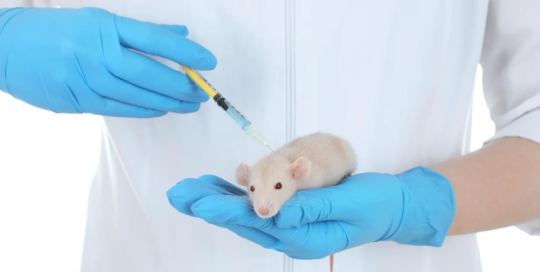
Research or study basic principles of plant and animal life, such as origin, relationship, development, anatomy, and functions.

Soil and plant scientists

2025-08-01T19:31:57-06:00

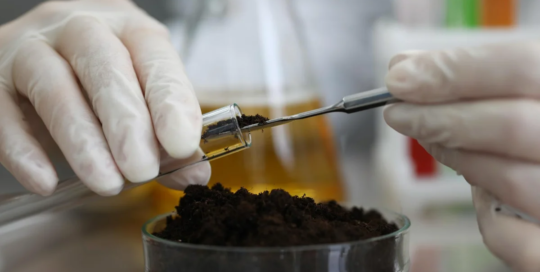
Conduct research in breeding, physiology, production, yield, and management of crops and agricultural plants or trees, shrubs, and nursery stock, their growth in soils, and control of pests. They study the chemical, physical, biological, and mineralogical composition of soils. They study alternative practices on soil and crop productivity.

Food scientists and technologists

2025-08-01T19:28:51-06:00

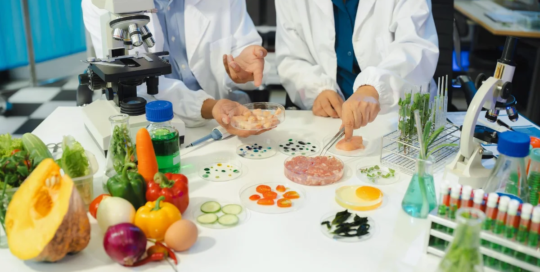
Use chemistry, microbiology, engineering and science to study the processing and deterioration of foods. They analyze food content to determine levels of vitamins, fat, sugar, and protein. They discover new food sources and ways to make processed foods safe, palatable, and healthful. They determine best ways to process, package, preserve, store and distribute food.

Nanotechnology engineering technologists

2025-08-01T17:21:59-06:00

Implement production processes for nanoscale designs to produce or modify materials, devices, or systems of unique molecular or macromolecular composition. They operate advanced microscopy equipment to manipulate nanoscale objects. They work under the supervision of nanoengineering staff.