Apply principles and processes of natural ecosystems to develop models for efficient industrial systems. They use knowledge from the physical and social sciences to maximize effective use of natural resources in the production and use of goods and services. They examine societal issues and their relationship with both technical systems and the environment.

Environmental restoration planners
2025-08-01T21:05:18-06:00Collaborate with field and biology staff to oversee the implementation of restoration projects and to develop new products. They process and synthesize complex scientific data into practical strategies for restoration, monitoring or management.
Climate change analysts
2025-08-01T21:01:24-06:00Research and analyze policy developments related to climate change. They make climate related recommendations for actions such as legislation, awareness campaigns, or fundraising approaches.
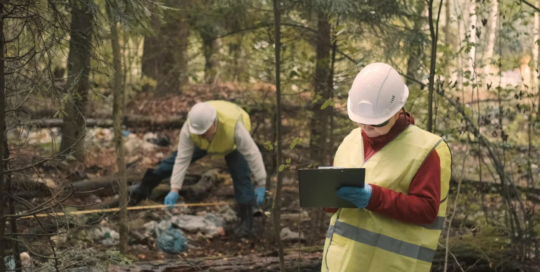
Environmental scientists and specialists, including health
2025-08-01T20:56:38-06:00Conduct research or perform investigation for the purpose of identifying, abating, or eliminating sources of pollutants or hazards that affect either the environment or the health of the population. They may collect, synthesize, study, report, and recommend action based on data derived from measurements or observations of air, food, soil, water, and other sources.
Materials scientists
2025-08-01T20:50:31-06:00Research and study the structures and chemical properties of various natural and synthetic or composite materials, including metals, alloys, rubber, ceramics, semiconductors, polymers, and glass. They determine ways to strengthen or combine materials or develop new materials with new or specific properties for use in a variety of products and applications.
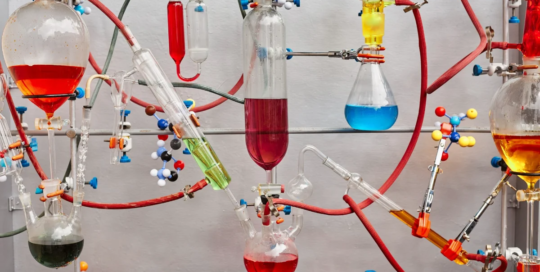
Chemists
2025-08-01T20:46:19-06:00Conduct qualitative and quantitative chemical analyses or experiments in laboratories for quality or process control or to develop new products or knowledge.
Atmospheric and space scientists
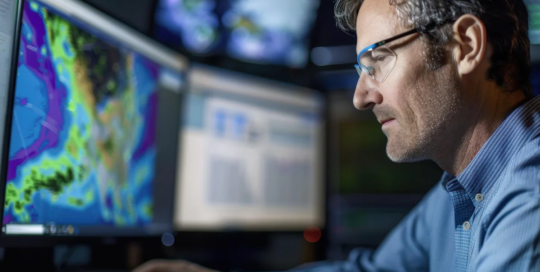
2025-08-01T20:42:00-06:00Investigate atmospheric phenomena and interpret meteorological data, gathered by surface and air stations, satellites, and radar to prepare reports and forecasts for public and other uses. Includes weather analysts and forecasters whose functions require the detailed knowledge of meteorology.
Physicists
2025-08-01T20:38:22-06:00Conduct research into physical phenomena, develop theories on the basis of observation and experiments, and devise methods to apply physical laws and theories.
Astronomers
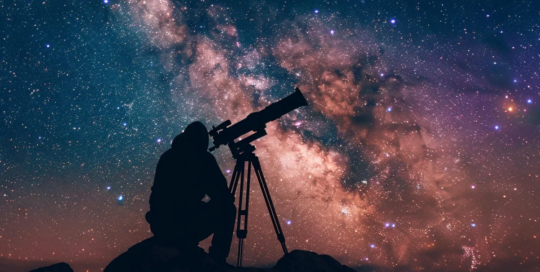
2025-08-01T20:35:00-06:00Observe, research, and interpret astronomical phenomena to increase basic knowledge or apply such information to practical problems.
Medical scientists, except epidemiologists
2025-08-01T20:30:55-06:00Conduct research dealing with the understanding of human diseases and the improvement of human health. They engage in clinical investigation, research and development, or other related activities. Includes physicians, dentists, public health specialists, pharmacologists, and medical pathologists who primarily conduct research.