
Investigate and describe the determinants and distribution of disease, disability, or health outcomes. They develop the means for prevention and control.
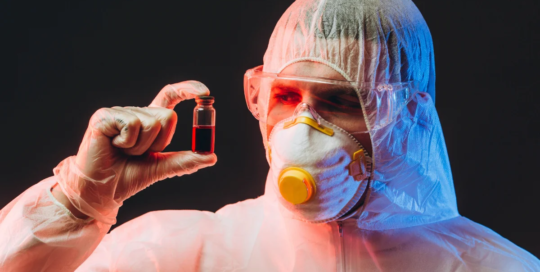
Investigate and describe the determinants and distribution of disease, disability, or health outcomes. They develop the means for prevention and control.
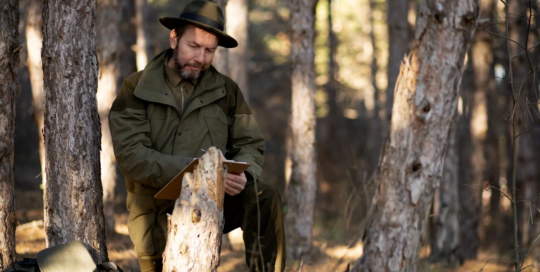
Manage public and private forested lands for economic, recreational, and conservation purposes. They inventory the type, amount, and location of standing timber, appraise the timber's worth, negotiate the purchase, and draw up contracts for procurement. They determine how to conserve wildlife habitats and comply with environmental regulations.

Plan, develop, and conduct programs to inform public of historical, natural, and scientific features of national, state, or local park.

Research or study range land management practices to provide sustained production of forage, livestock, and wildlife.
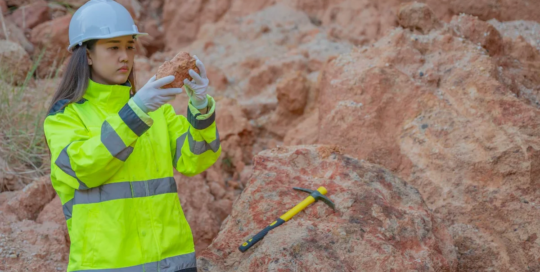
Plan or develop coordinated practices for soil erosion control, soil or water conservation, or sound land use.
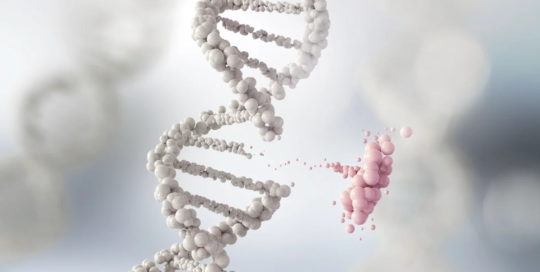
Research and study the inheritance of traits at the molecular, organism or population level. They evaluate or treat patients with genetic disorders.
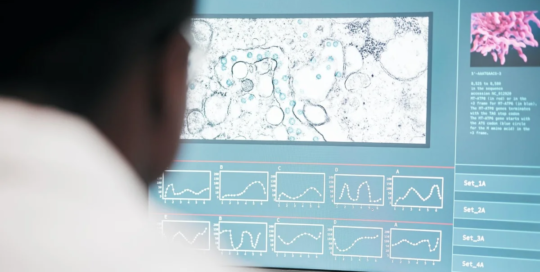
Research and study cellular molecules and organelles to understand cell function and organization.

Conduct research using bioinformatics theory and methods in areas such as pharmaceuticals, medical technology, biotechnology, computational biology, proteomics, computer information science, biology and medical informatics. They design databases and develop algorithms for processing and analyzing genomic information, or other biological information.
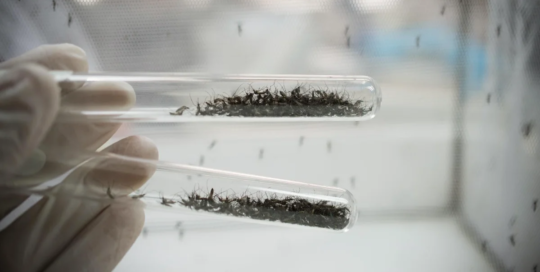
Study the origins, behavior, diseases, genetics, and life processes of animals and wildlife. They specialize in wildlife research and management. They collect and analyze biological data to determine the environmental effects of present and potential use of land and water habitats.
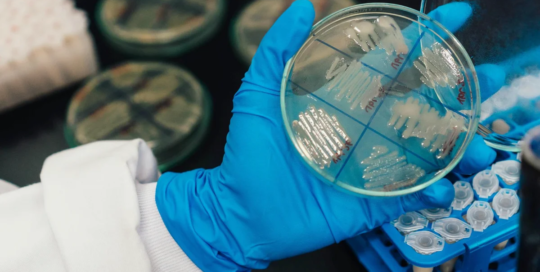
Investigate the growth, structure, development, and other characteristics of microscopic organisms, such as bacteria, algae, or fungi. Includes medical microbiologists who study the relationship between organisms and disease or the effects of antibiotics on microorganisms.