Environmental engineers

2025-07-31T20:22:20-06:00

Research, design, plan, or perform engineering duties in the prevention, control, and remediation of environmental hazards using various engineering disciplines. Their work may include waste treatment, site remediation, or pollution control technology.


Electronics engineers, except computer

2025-07-31T20:22:04-06:00

Research, design, develop, or test electronic components and systems for commercial, industrial, military, or scientific use employing knowledge of electronic theory and materials properties. They design electronic circuits and components for use in fields such as telecommunications, aerospace guidance and propulsion control, acoustics, or instruments and controls.

Electrical engineers

2025-07-31T20:21:59-06:00

Research, design, develop, test, or supervise the manufacturing and installation of electrical equipment, components, or systems for commercial, industrial, military, or scientific use.

Computer hardware engineers

2025-07-31T20:21:57-06:00

Research, design, develop, or test computer or computer related equipment for commercial, industrial, military, or scientific use. They supervise the manufacturing and installation of computer or computer related equipment and components.

Transportation engineers

2025-07-31T20:21:46-06:00

Develop plans for surface transportation projects, according to established engineering standards and state or federal construction policy. They prepare designs, specifications, or estimates for transportation facilities. They plan modifications of existing streets, highways, or freeways to improve traffic flow.

Civil engineers

2025-07-31T20:21:40-06:00

Perform engineering duties in planning, designing, and overseeing construction and maintenance of building structures, and facilities. They work on roads, railroads, airports, bridges, harbors, channels, dams, irrigation projects, pipelines, power plants, and water and sewage systems

Chemical engineers

2025-07-31T20:21:34-06:00

Design chemical plant equipment and devise processes for manufacturing chemicals and products, such as gasoline, synthetic rubber, plastics, detergents, cement, paper, and pulp, by applying principles and technology of chemistry, physics, and engineering.

Biomedical engineers

2025-07-31T20:21:28-06:00

Apply knowledge of engineering, biology, and biomechanical principles to the design, development, and evaluation of biological and health systems and products, such as artificial organs, prostheses, instrumentation, medical information systems, and health management and care delivery systems.

Agricultural engineers

2025-07-31T20:21:27-06:00

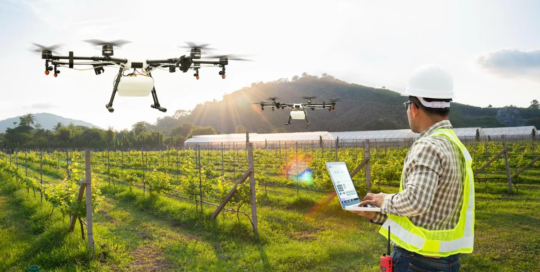
Apply knowledge of engineering technology and biological science to agricultural problems concerned with power and machinery, electrification, structures, soil and water conservation, and processing of agricultural products.